|
It’s been a busy time for CRFS, as you will see in this newsletter and our upcoming (first ever) annual report! We've been in this work with all of you for nearly 25 years. And if I had to choose a word for the character of CRFS over these years, I might say “Boldness"—but a boldness based on collaboration and research to build movements that last.
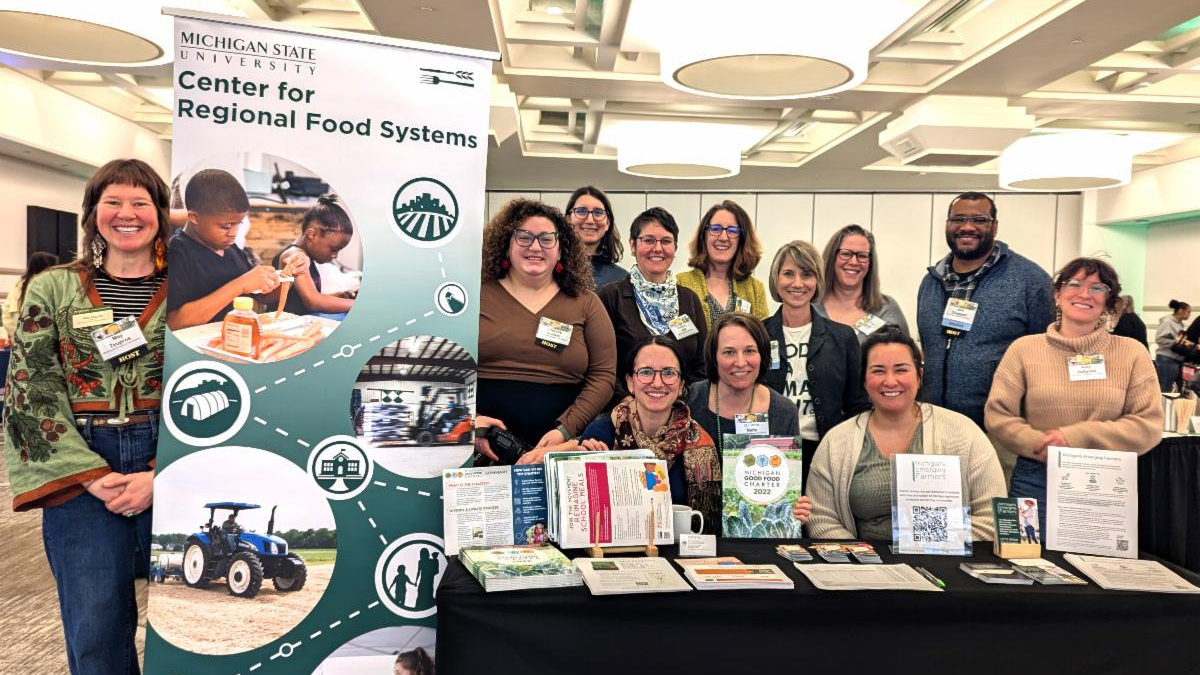
It was bold to hold the first Michigan Good Food Summit in 2010, and to engage in discussions with its ~350 participants to create the first Michigan Good Food Charter. It was bold to suggest the addition of “a mere 10 cents per meal spent on Michigan-produced food” to get more healthy, local food into our state’s school lunches served every year. Yet these efforts were grounded in the collective wisdom of hundreds of community partners, and research led by CRFS team members.
This pattern—dreaming boldly, then doing the steady work to back it up—is what carries us forward. Which brings me to a question I'm sitting with in 2026: what would it mean to treat food not as a privilege, but as a right?
I don’t mean this as a broad principle or guiding light. Our partners and community members already embody this every day, as we work together to ensure that nourishing food is accessible to all, work with Native communities to support the recovery and sovereignty of native seeds, and much, much more.
What I’m thinking about is whether it would help our efforts to have the right to food enshrined in our laws? In the Michigan Constitution?
A legally guaranteed Right to Food is an idea with over 60 years of thought, commitment, and study, as included in the United Nations’ International Covenant on Economic, Social and Cultural Rights (which 173 countries, but not the US, have ratified). It outlines the right to an adequate standard of living, including food, with respect to the greater food system: including improvements to growing methods, nutrition education, and distribution of food.
Twenty-nine countries already recognize the right to food in their constitutions; more than 100 more support it through laws or other directives. Though the US has not recognized this right at the federal level, it has been enshrined by referendum in one state’s constitution—Maine—and scholars and advocates throughout the US meet regularly in the National Right to Food Community of Practice.
So while I am a believer in upholding the 1948 Universal Declaration of Human Rights and the 1966 International Covenant’s commitments—that the right to food should be legally and constitutionally enforceable—whether that’s the right strategy for our communities in Michigan is a different and more difficult question!
What I can say is that in the year ahead, I will definitely be trying on this idea. I want to look at it closely and collaboratively, with a spirit of boldness, to explore how CRFS could help more communities realize their right to food. I hope you might be willing to follow my dad’s advice, too. Let’s see where this goes.
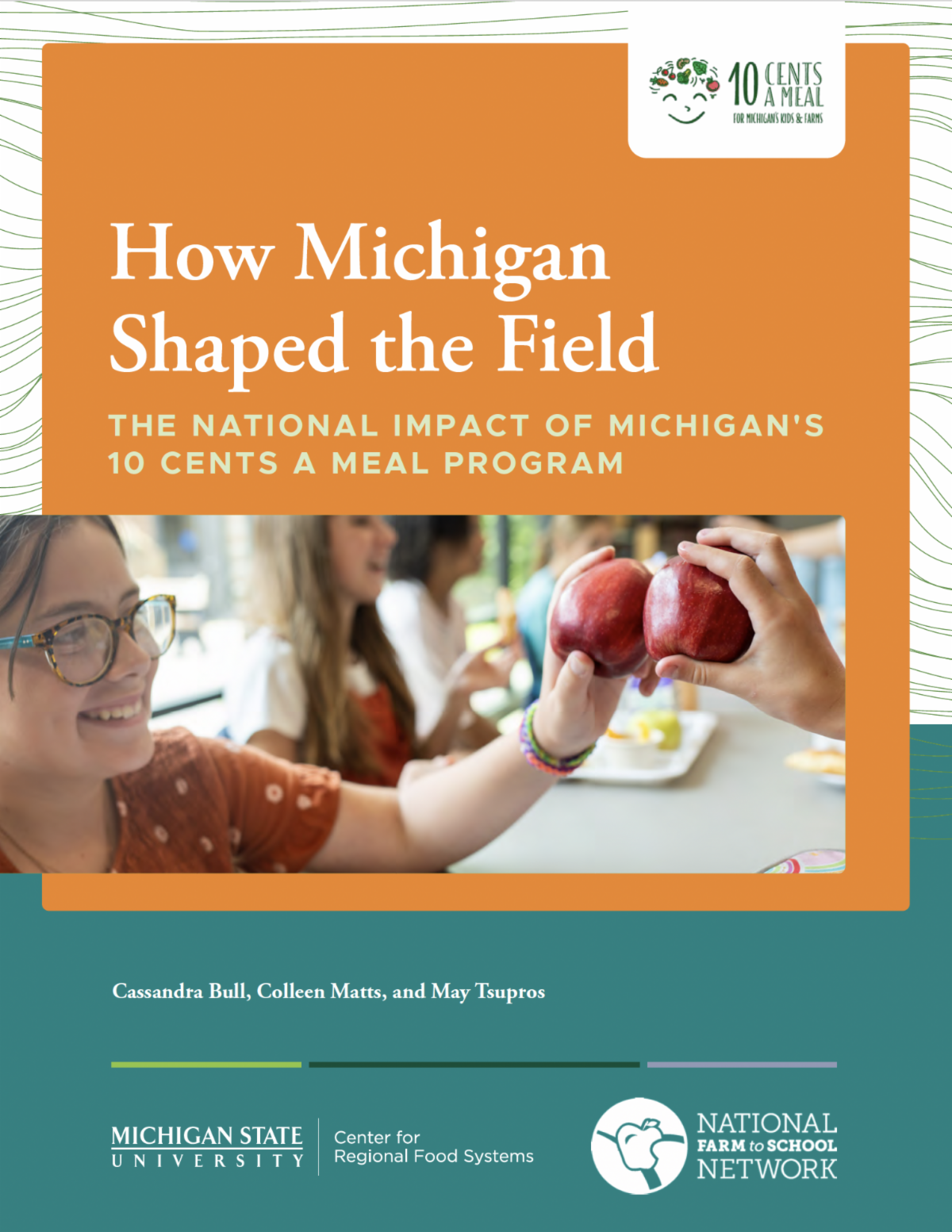
P.S. I can’t help but to share a few examples of our early work supporting 10 Cents a Meal to go from suggestion to reality: check them out here, here and here. This program arose from an agenda priority in the 2010 Michigan Good Food Charter and has been administered by Michigan Department of Education. It’s also worth noting that while 10 Cents a Meal initially wasn’t funded for this year (2025-2026), it is now back in Michigan’s legislative draft budgets. It remains to be seen if it will make all the way through to the final budget. Find more information here. |












 Posts
Posts
No comments:
Post a Comment
Note: Only a member of this blog may post a comment.